
















As the teacher strike in March brought to our attention, sometimes teachers have a harder time than you might think. When you’re teaching five or more classes of students each day, the workload can pile high and the stress even higher. However, our amazing teachers continue to maintain positive attitudes every day and run classes as smoothly as possible.
For background information, teachers have a similar schedule to students, with the same basic timing. Most teachers teach five classes, which usually include one elective. At some point during the day, they have a prep period to get work done, such as laminating, grading, or printing. However, some teachers have to teach 6 periods a day without a prep period. Teachers eat lunch at the same time as their students, so 6th-grade teachers usually have Lunch B, and 8th-grade teachers usually have Lunch A. In addition to the time they spend in class, teachers usually have to spend time outside of school preparing for their classes.
Furthermore, the National Center for Education Statistics reports that California teachers spend around 53+ hours a week on school or teaching-related activities, a stark contrast to the European Union’s teaching hours, which at most are 40 hours (such as in Bulgaria), and average around 20 hours. Teachers in the US work more than those in the rest of the world, Sarah Sparks, an education journalist, explains, “U.S. teachers also spend about six hours a week more than their [international] peers actively teaching, suggesting that the higher workload isn’t limited to preparation or administration.” This extended teaching time results in more work being done at home, which increases burnout rates nationwide.
When teachers are forced to take their workload home or stay at work longer, it can impact their mental well-being. Tim Walker, a senior writer and editor of the National Education Association, writes that, “46 percent of teachers said they were too tired for activities in their private lives because of their job demands. Only 13 percent of other working adults reported the same. Forty-two percent of teachers worry about work when not working compared with 21 percent of similar working adults.” This builds on the fact that without the energy to participate in fun activities that help them unwind, teachers are unable to release their pent-up stress and anxiety.
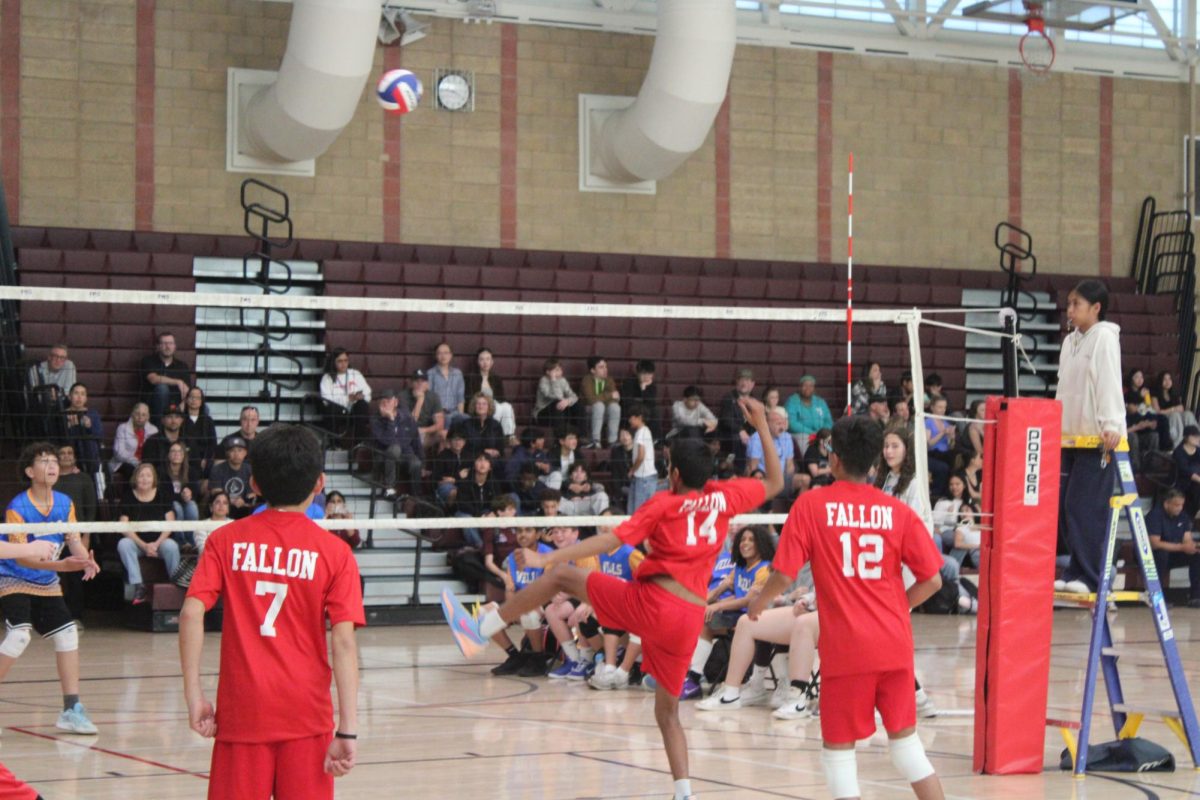
Some students may require additional attention, and discipline is often necessary when they display inappropriate behavior, such as yelling in class. Ms. Reddy, a seventh-grade science teacher at Fallon, comments that, “I just feel like students should have that self-regulation. So disciplining them is my least favorite part of being a teacher.” When students bring their conflicts into the classroom, it can be hard for teachers to understand their problems without context, and it can interfere with classroom functions. A survey by the Education Resources Information Center, they found that more than 50% of teachers surveyed reported that their classes were interrupted by student issues.
The heavy workload, on-the-job stress, and teaching hours have created a teacher shortage, as more teachers leave the classroom in search of higher-paying jobs. When combined with an all-time low in student interest in teaching, many schools are struggling to hire enough teachers. With fewer teachers, larger class sizes are forced on the existing teachers, creating even more burnout. The Los Angeles Times relays that, “Nearly half of California teachers who were surveyed plan to retire or quit in the next 10 years. Nationwide, an estimated 35% of teachers plan to leave the profession in the next decade.”
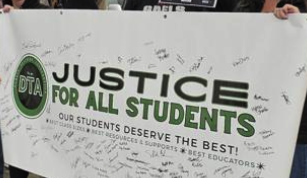
In light of these problems, the Dublin Teachers’ Association called for the teachers to go on strike, pending negotiations with the district. Unexpectedly, there was significant backlash against the teachers. Some parents were extremely critical, believing they should be teaching rather than protesting. While many supported, parent feeds blew up, with parents arguing that their child’s education should come before anything else, and misunderstandings as to the demands of the DTA were plentiful.
However, without the strike, the DTA argued that teachers wouldn’t get the funding to provide materials such as study guides, worksheets, or projects. Despite the fact that, on average, teachers in California are paid more than teachers in any other state, inflation has eroded their pay relative to their living expenses, which have increased along with inflation. In addition, they proposed ways to alleviate burnout, such as smaller class sizes and more funding for resources that teachers need, like paper.
As many teachers explain, this doesn’t deter them: teaching can be incredibly rewarding. Middle schoolers are a unique age group: they understand the finer points of the world but are still figuring out who they are and who they want to be. Teachers at Middle Schools have the job of guiding these students to choose their paths before high school. Ms. Khan, a 6th-grade science teacher, comments that, “I love being here because the culture is really, really warm. I especially love the kids, especially this age group. They’re fun to work with since they’re not too young, so they get my jokes!”
Teaching also creates a community that many teachers find valuable, helping them continue to teach under pressure. Teaching is a profession that fosters friendships, and getting to know other staff members and students is an integral part of the job. Not only do teachers feel supported at their own schools, but online communities and teaching resources can also reduce their workload, helping them enjoy their jobs.
Being a teacher can be a rewarding job, but other times it can be difficult and time-consuming. As the teachers can attest to, their job isn’t perfect, and there is always room for improvement as the economy, culture, and politics of the world change.