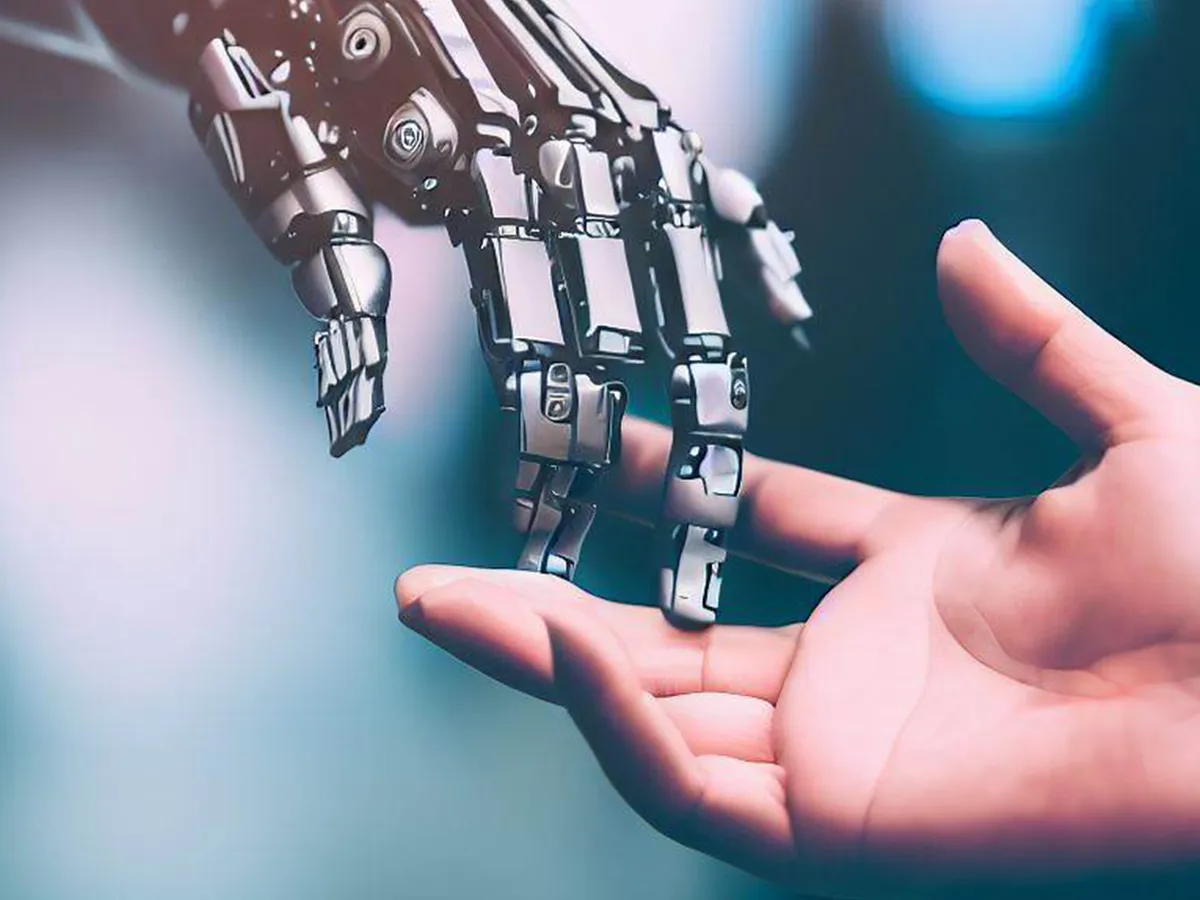

















The use of Artificial Intelligence (AI) is becoming increasingly common in schools, changing the way students learn and complete their work. As the use of AI increases, so do its consequences. Schoolwork that requires critical thinking, time, and effort is now done almost instantly. This AI problem affects adults differently than it does kids. Some teachers may embrace the use of AI to support learning, while others may prohibit it. But how does AI actually affect your brain?
AI use has its benefits, but with those benefits come many consequences. One is that AI is harming students’ ability to develop good relationships with their teachers. According to Rising Use of AI in Schools Comes With Big Downsides for Students, “Half of the students agree that using AI in class makes them feel less connected to their teachers. A decrease in peer-to-peer connections as a result of AI use is also a concern for teachers (47%) and parents (50%), according to the report.” The negative effects AI has on student-teacher relationships can reduce interactions between students and teachers.
Students may use tools like ChatGPT to produce essays nearly instanteously, however, many scholars argue that using similar AI tools are erroding critical thinking skills in students.According to ChatGPT May Be Eroding Critical Thinking Skills, the MIT study divided 54 subjects aged 18-39 into 3 groups and asked them to write an essay. One group used ChatGPT, another used Google’s search engine, and the last group used nothing. “The group that wrote essays using ChatGPT all delivered extremely similar essays that lacked original thought, relying on the same expressions and ideas. Two English teachers who assessed the essays called them largely soulless…The brain-only group, conversely, showed the highest neural connectivity, especially in alpha, theta, and delta bands, which are associated with creativity ideation, memory load, and semantic processing.” ChatGPT may be able to write essays instantly, but it lacks critical thinking and creativity, as seen in human writing.
A major concern about AI is its potential negative effects on the brain, namely the observations that students are not utilizing their critical thinking faculties According to the MIT research, “Researchers used an EEG to record the writers’ brain activity across 32 regions, and found that of the three groups (AI, Google’s search engine, and the control group), ChatGPT users had the lowest brain engagement and consistently underperformed at neural, linguistic, and behavioral levels.” By relying on AI to do the thinking for them, students may struggle to develop important skills such as problem-solving and thinking creatively.
Although AI may harm young students, it can be useful for teachers. According to a survey titled “Rising Use of AI in Schools Comes With Big Downsides for Students,” teachers use AI for tasks such as content development, student engagement, professional development, and grading. According to Joseph South, chief innovation officer for ISTE + ASCD, a merged non-profit organization that combines the International Society for Technology in Education (ISTE) and Association for Supervision & Curriculum Development (ASCD), “AI really does two things: One is it helps a teacher do their job more efficiently, and anything that helps a teacher save time is going to get taken up. The second is that it can help them do their job more efficiently.” AI has many benefits for teachers, and can actually help them do their job better.
According to Robbie Torney, senior director of AI programs at Common Sense Media, “AI technologies were originally intended for getting tasks done quickly, which in education benefits teachers, who might want to maximize their time by finishing administrative tasks faster. But for students, there isn’t any guarantee they can use AI to learn faster.”
Although AI offers benefits for teachers and consequences for students, its effects on a student’s brain differ from those on adults. Children and teenagers are still developing cognitive abilities, so relying on AI can interfere with their learning, problem-solving, and critical thinking. Adults, on the other hand, have more fully developed knowledge, so they can use AI as a tool rather than rely on it. According to Adults Lose Skills to AI. Children Never Build Them, writer Timothy Cook says, “When I ask AI to evaluate a claim, I can check the output against my own judgment. I notice when it oversimplifies. I catch when it omits a competing interpretation. I understand when the confidence in the language exceeds the strength of the evidence. This is auditing the output. A child won’t usually be able to do this–not because children are less intelligent, but because auditing requires the exact domain knowledge that the child is supposed to be developing. You cannot check an AI’s analysis of heredity if you don’t yet understand what heredity is.” While AI can affect both children and adults, its negative effects may be greater for kids, as their brains are still developing.
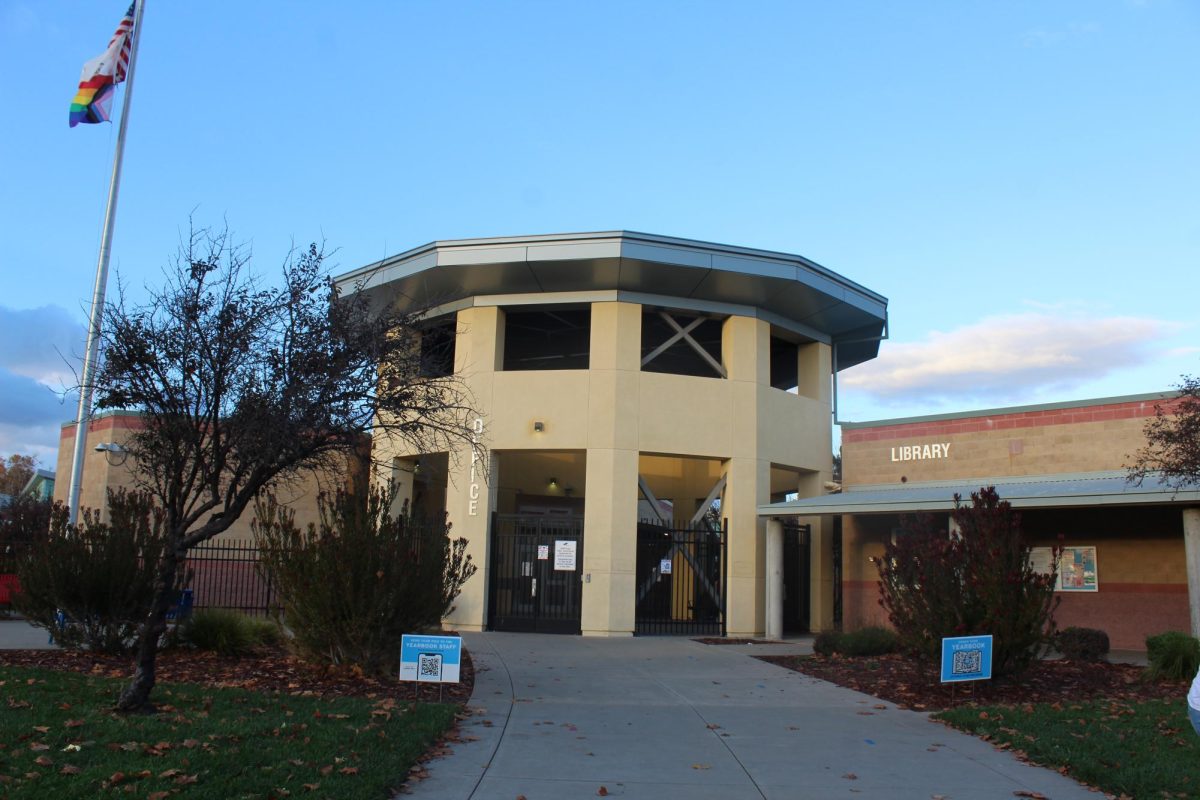
The use of Artificial Intelligence is strongly prohibited at Fallon Middle School. The school has a policy that no essays or yearbook writing may use AI. All student essays and writing must be done in class and can not be worked on at home due to prior students’ use of AI.
Overall, the rising use of AI in schools can be helpful if used properly, but it is also concerning. Relying too heavily on tools like ChatGPT can weaken brain functions such as critical thinking, memory, and focus. The effect is significant for children, as their brains are still developing. While adults may use the tool as well, it affects them differently because their brains are more developed and they have more knowledge. AI can help students by providing immediate feedback and personalized tutoring. As AI continues to increase in students’ education, it is changing how students learn and develop cognitive skills.