
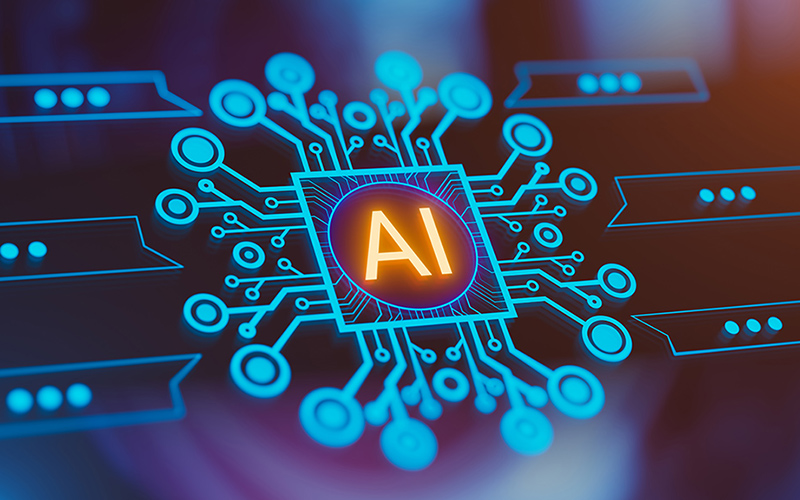



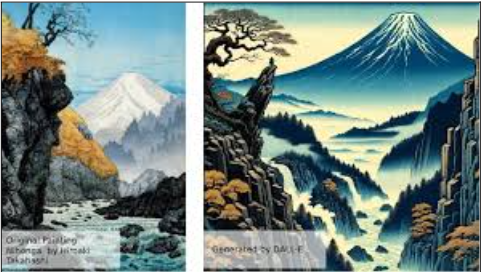
We live in a world where people use Artificial Intelligence to create many different types of art. This raises the question: Is AI art real? Some may argue that AI art helps people to express their ideas, while others argue that it strips away the creative process that makes art. This article will explore both sides of the argument and how it is affecting our society.
One side of the argument says AI art is good and helps people express themselves. In support of AI art, the article “Believe it or not, AI art is a good thing” argues that “AI art pushes past the limits of imagination and can generate semi-original pieces that offer elements of creativity we might not think to come up with.” AI can offer a unique perspective on art and highlight details that people may overlook or not think of to begin with. Having access to AI art can also help people who can’t draw or have a disability that prevents them from drawing to create art. It could also help traditional artists brainstorm and generate quick visual references; it’s much cheaper than buying traditional art supplies and much more efficient. This can encourage people to create more art that, for whatever reason, cannot be considered traditional art.
On the other side of the argument, people argue that AI art should not be considered as art. In favor of this side of the argument, the article “The trouble with AI art isn’t just lack of originality. It’s something far bigger” says Eric Reinhart, “It is not simply that AI lacks originality; after all, so too does most human art. The problem runs far deeper: the essence of art is lost in the process of its mechanic invention.” Many people take issue with AI art due to moral, environmental, and copyright issues. Morally, people say that AI art strips away originality and the unique human process of creating art. Environmentally, using AI to generate things harms the environment by consuming excessive water and electricity, thereby draining precious resources we need to survive. AI art isn’t original. To create art, someone had to code it, and the AI model will look across the internet to find art that matches the description the person gave it. In the article, “AI-Generated Content and Copyright Law: What We Know,” it talks about how this works: “The root of this issue lies in the way generative AI systems are trained. Like most other machine learning models, they work by identifying and replicating patterns in data. So, to generate an output like a written sentence or picture, it must first learn from the real work of actual humans.” This tells us that AI needs human work to create new things and that AI-generated art, writing, and more can not be protected by copyright. If it is not created by humans, it cannot be protected by copyright.
After seeing both sides of the argument, it’s important to note how this affects society as a whole. The article, “If art is how we express our humanity, where does AI fit in?” says that AI art might affect our present-day society, “For labor economics and creative work, the idea is these generative AI systems can accelerate the creative process in many ways, but they can also remove the ideation process that starts with a blank slate. We don’t know how it will influence creativity, and we need a better understanding of how AI will affect the different stages of the creative process. We need to think carefully about how we use these tools to complement people’s work instead of replacing it.” As this quote shows, AI offers benefits that can help people, but many still question the ethical implications
AI art brings both good and bad things to the table. AI art can help people who can’t make traditional art express themselves. However, some argue that AI art is unethical, harms the environment, and infringes on copyright. It’s important to understand how both sides of the argument are valid and how they can affect our society.