












Dublin’s schools have seen many changes over the years, many of them for the better. However, in a crushing turn of events, the book The 57 Bus: A True Story of Two Teenagers and the Crime That Changed Their Lives by Dashka Slater, which had previously been in the eighth-grade curriculum, was briefly removed before being added back. Even though the district returned the book to the curriculum after eighth-grade English teachers raised concerns, the book’s momentary exclusion has led many students and teachers to question their faith in the district.
The 57 Bus wasn’t removed entirely because of its content, but it still had an impact. A couple of years ago, the English curriculum was changed, and the new HMH curriculum was implemented. During the transition years, teachers were allowed to continue teaching the books they had previously taught, but when that period ended, those books were no longer allowed to be taught. The HMH curriculum, despite following state standards, didn’t include any LGBTQ+ content and neglected many of the deeper implications that The 57 Bus helped kids understand. Eventually, the 8th-grade English teachers campaigned to have many of the removed books reinstated, and recently succeeded.
For context, the book follows the story of what happened to two teens, Sasha, an agender and neutral teenager, and Richard, a disadvantaged teen, after Richard set Sasha’s skirt on fire on Oakland’s 57 Bus. Sasha, who was asleep at the time, is left with severe burns over a quarter of their body, and though it looks bleak. Richard, who feels guilty about what he’s done, pleads guilty to the charges to seek a lighter sentence and express his remorse. Sasha, despite the fact that they’ve been put through numerous painful surgeries and an uncomfortable media spotlight due to Richard’s actions, forgives him, and their family advocates for a lighter sentence. Eventually, Sasha gets accepted to MIT and finds a place where they fit in.
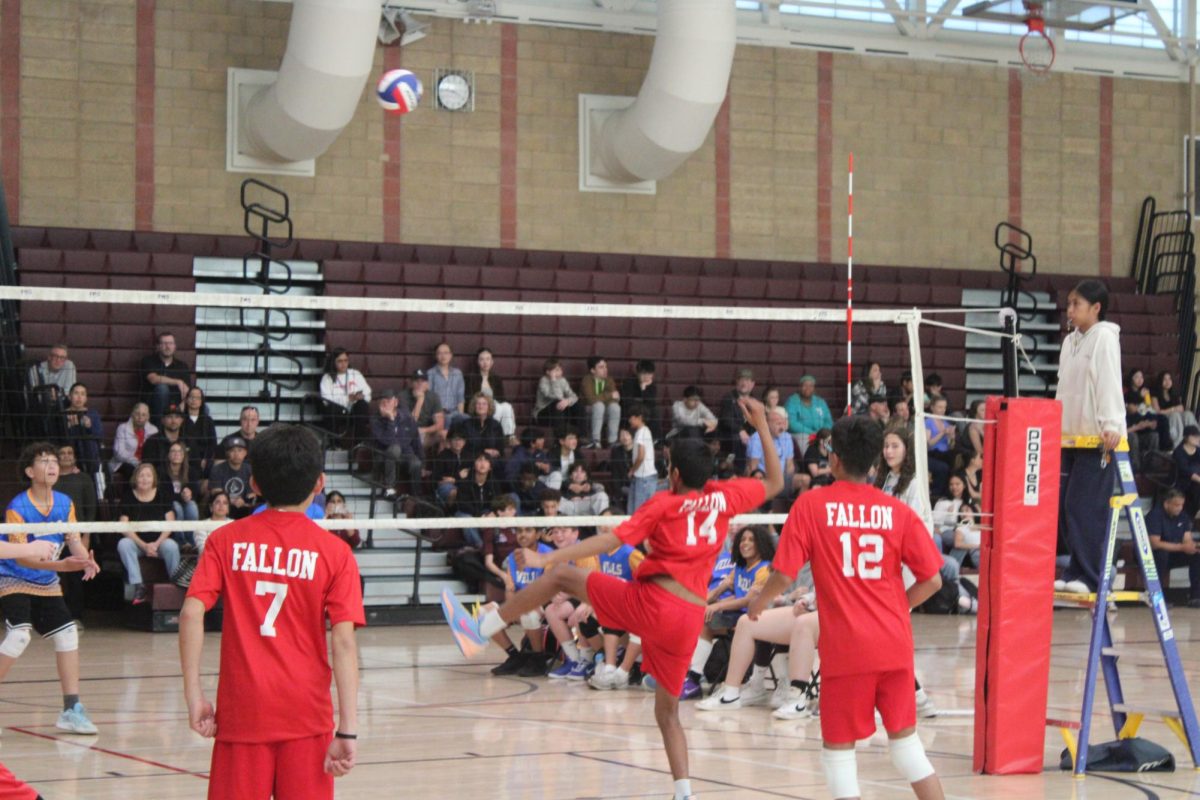
This book explores the intricacies of the justice system, gender equality and identity, hate crimes, discrimination, and the repercussions of impulsive actions, such as Richard’s “prank” on Sasha. Many students have noted that this book gave them the opportunity to better understand their peers or themselves. For many LGBTQ+ kids at Fallon, this book represented the inclusive, understanding community that the district claims to support.
The 57 Bus serves as a gateway for other students to understand their peers. While it’s easy to say that someone is “weird,” reading about the experiences of people from other groups can help build a stronger and more empathetic community. The author of The 57 Bus, Dashka Slater, writes in A Statement On Book Bans that, “Books offer a chance for kids to see themselves reflected and affirmed, to know that they’re not alone, that their experience matters. Books also offer kids a chance to learn about people who are different from them, to develop empathy and interest in the experiences of people they might not have thought about before.”
Rainbow Students Union, Fallon’s LGBTQ+ group, has also raised concerns about inclusion. One member, Jazzy Jaiswa, explains that the removal of this book is only part of a larger problem. They comment that, “Ever since I changed my name for gender reasons, people have been giving me a lot of **** for it…I don’t think there’s a lot of punishment [for harassing others]]…people always make fun of something they don’t understand, and they don’t really understand [LGBTQ+ people].”
Ms. Kunde, the Rainbow Student Union advisor, helps clarify the significance of The 57 Bus, saying that, “A horrible thing happens in it. It’s one person setting another person on fire. But then you see everything that happens around them, and you see them both as humans, and that’s what I think is missing sometimes in Middle School [curricula]. We have to understand their stories in order to understand a person, not just an event that happened to them.”
This removal also begs the question, “Will book bans follow?” While this is unlikely, and the book was not removed solely because of its content, it’s a big problem in many other states. According to the American Library Association, the top five most challenged books in 2023 all listed LGBTQ+ content as a reason for their ban. In a BBC article from last year, they explain that, “The analysis found that 36% of the more than 4,000 banned titles featured characters or people of color and 25% included LGBTQ characters or people. Of the titles featuring LGBTQ people, 28% featured a transgender and/or genderqueer character. One in 10 of the banned titles featured characters or people with a physical and/or learning or developmental disability, the analysis found.”
When books are banned, voices are silenced. Bans are fundamentally unconstitutional, since, under the First Amendment, banning books to suppress ideas and viewpoints violates the right of the children affected to receive this information. Selena Van Horn, a professor specializing in LGBTQ+ literature at the Kremen School of Education and Human Development, comments that, “When children don’t have access to stories that represent their identities in a positive light – that show that people like them go on to do wonderful things – they can internalize those feelings and wonder, ‘Am I what they are saying I am in some negative way?’” Not only this, but many students who are struggling to find themselves could find clarity in books that present a new way of thinking or a topic that they haven’t encountered before.
Actions speak louder than words, and without the interference of the eighth-grade English team, who knows if The 57 Bus would have been reinstated? While removing a book isn’t the same as banning it, the concept is too close for comfort. Removing books curbs our ability to understand and empathize with others, and it’s our job as individuals to seek out this knowledge for ourselves if it isn’t laid at our feet.