



















Every day, students in Dublin, California, go about their normal schedules, following district rules and policies as usual. Some complain about them, while others are happy with how these policies organize the students and schools. So, what do people at Fallon Middle School really think about Dublin Unified School District policies?
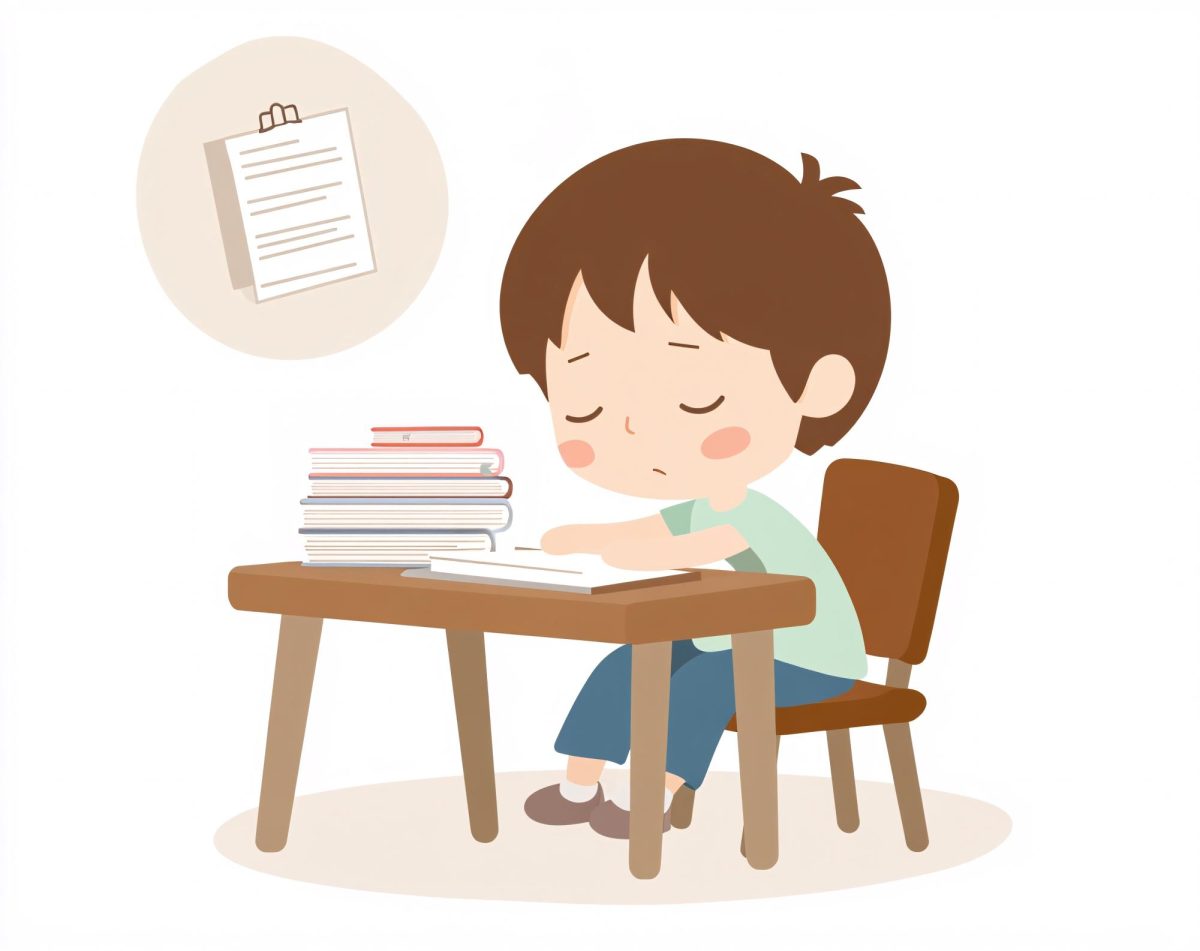
One of the major DUSD school board policies is homework/makeup work for students. The regulation, BP 6154, states, “Homework is defined as any task assigned to students by school teachers that are meant to be carried out during non-school hours. It includes independent preview, practice, or completion of skills and concepts taught during class, projects, tests, and performance preparation, and daily independent reading.” Homework also aligns with daily lessons taught by teachers, and they must be flexible about accepting late work for partial credit. However, Winter Break is a time for students and staff to relax and be free from schoolwork, with no expectation that work should be done during this period. This also applies to any other major holiday, such as Spring Break and Thanksgiving.
Being able to make up work for absences gives students opportunities to earn credit for missing assignments, tests, quizzes, and more. For the most part, this system allows flexibility for everyone and helps students to balance school and life outside of school.
Srushti Nibandhe, an 8th grader, believes that, “I think the homework and make-up policy is pretty fair, because it gives students chances to make up assignments and turn in late work if they miss school. It helps them stay on track and not fall behind, but it can also be stressful because we have a lot of classes and different amounts of work to make up.”
Another crucial policy among all schools in Dublin is complaint procedures, including the Anti-Bullying Complaint Procedure. DUSD respects and honors all complaints, whether they are brought by a student, staff member, parent, or the entire community. The DUSD is committed to addressing the community’s concerns and working earnestly to resolve the issue. When it comes to bullying, the district fully acknowledges the harmful effects that bullying could have on a student’s mental and physical well-being.
Bullying includes unwanted, aggressive behavior that is often repeated, involving a real or perceived power imbalance. This includes cyber-bullying, which uses electronic devices and digital technology—gaming, social media, or messaging platforms— to repeatedly threaten, shame, harass, or target someone. Common circumstances of bullying that occur in school consist of verbal or physical bullying, cyberbullying, and social/relational bullying. By reporting these incidents, an appointed person or principal will inform the complainant on how they can help and do what they can to resolve the issue.
Diya Jagannathan, an 8th-grade student, emphasizes that, “I think being able to report bullying benefits students, because bullying affects students in many ways. Those who are bullied usually feel anxious or sad, and it can lower their self-confidence and sense of belonging. This could even affect how much they focus on schoolwork or tests, since it’s hard to concentrate. Students start to feel unsafe because of bullies; by reporting them, they could probably feel more comfortable in that situation, which is better for their mental health.”
The policies adopted by the Dublin Unified School District give students various opportunities and benefits to support their learning. The policies can help protect them from certain issues, such as bullying. Other policies, like the Nondiscrimination Policy, also help maintain peace and order in schools across Dublin.