
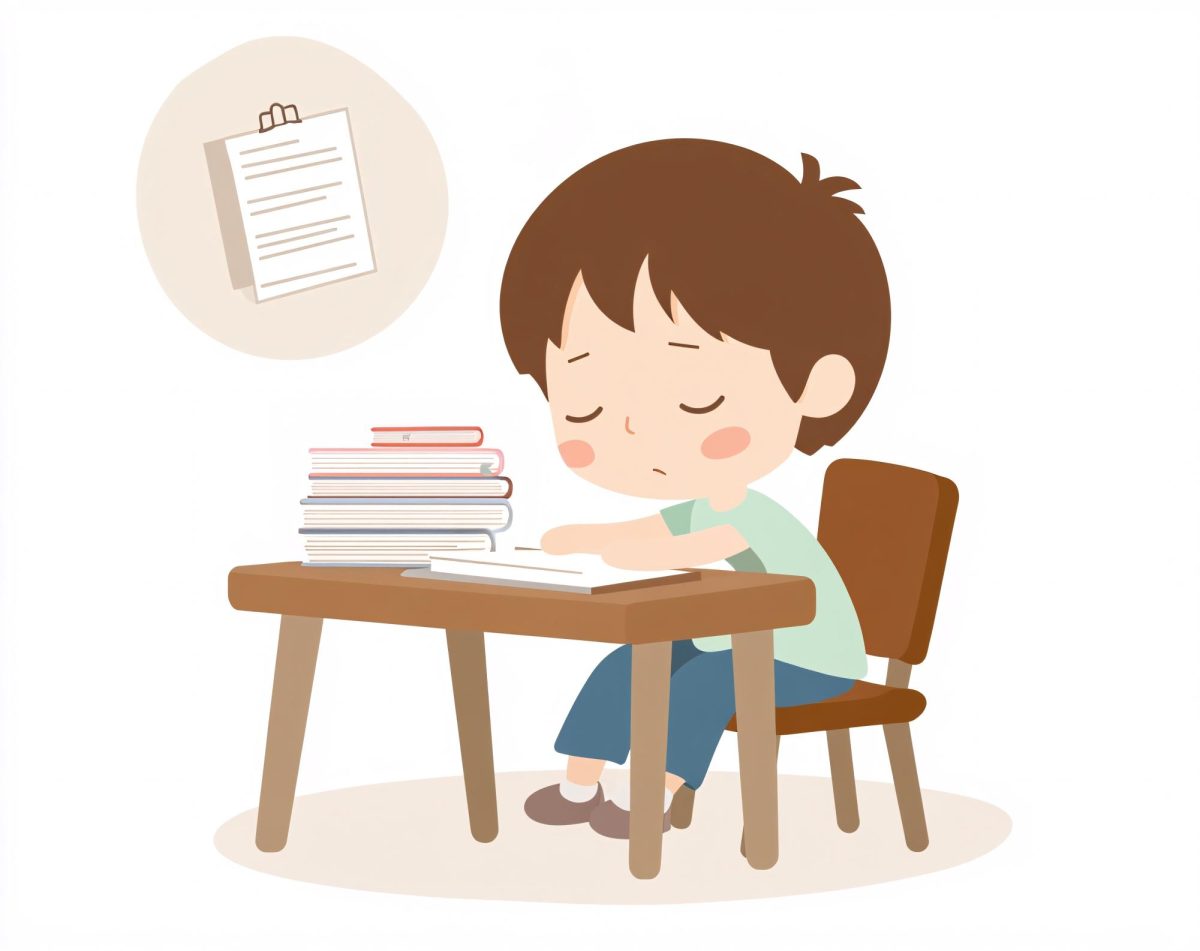















In the United States, 40% of students have persistent feelings of hopelessness or sadness, and many more experience anxiety and other negative feelings almost every moment of their lives. However, only 20% of students report actually receiving mental health therapy. Who a student talks to is greatly affected by their previous experiences, and whether current programs are effective can come into question.
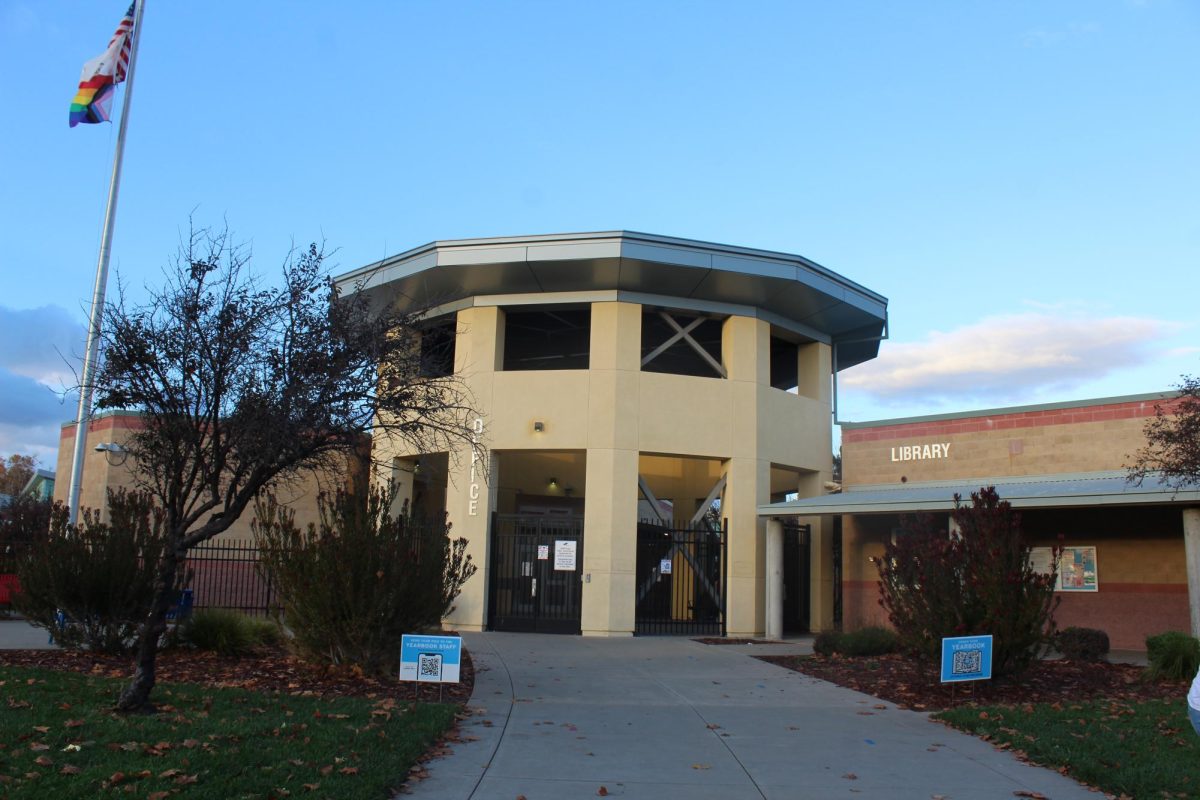
In a survey of Fallon students, 68% said they feel comfortable talking to friends about their strong emotions, with parents coming in second at 58%. (Note: They could select multiple answers for a question.) If students found themselves in a bad situation, such as cheating, parents and friends tied at 54%. Many students explained that they did not feel comfortable talking to an adult they didn’t know well, such as a teacher or counselor, for one of three reasons: fear of getting in trouble, fear of being misunderstood, or anxiety. Many of the students who responded noted that the idea of having to talk to an adult they didn’t already know was just too stressful, and many worried that the counselor wouldn’t understand their issue.
However, as Ms. Buckley, a Fallon counselor, explains, “You might be able to resolve it [by talking with peers], but if it’s a bigger problem, something out of the scope of the school? Maybe it’d be good to get another perspective, especially teachers or counselors…They have a different perspective on the world, so sometimes it’s good to talk to them.” Counselors are always available to talk, and they can provide you with much-needed insight and information that you might not have considered before. Additionally, counselors will not tell anyone what you say to them, except in a few circumstances to ensure your safety and the safety of others.
In a broader sense, studies and polls have shown that many teens are experiencing greater stress in recent years. In a poll conducted by the National Alliance on Mental Illness, it found that “about 1 in 6 [subjects] report experiencing negative emotions all the time or often.” Emotional disorders (like extreme emotional outbursts) were found to be common in teens, with their world changing as they grow older.
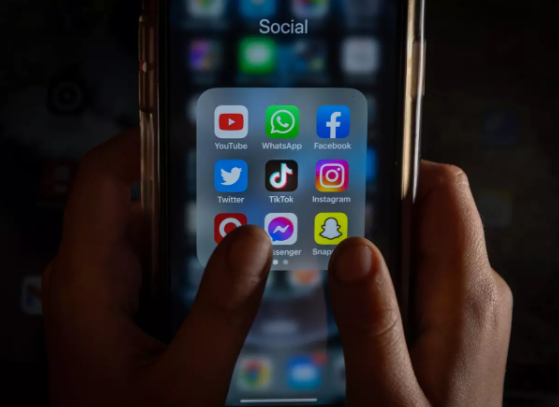
The World Health Organization states that, “Factors that can contribute to stress during adolescence include exposure to adversity, pressure to conform with peers, and exploration of identity. Media influence and gender norms can exacerbate the disparity between an adolescent’s lived reality and their perceptions or aspirations for the future.” The impact of social media on students who feel that they are “different” can crush their aspirations, and could even make them change or hide who they are.
In a CDC report on Adverse Childhood Experiences, or ACEs, it explains, “Toxic stress (extended or prolonged stress) from ACEs can negatively affect children’s brain development, immune system, and stress-response systems. These changes can affect children’s attention, decision-making, and learning.” Studies have shown that the prevention of ACEs can reduce the number of suicide attempts by more than 80%, and can even reduce heart disease and depression in adults. LQBTQ+ and female children have the highest rates of ACEs, and kids who heavily rely on their family are most susceptible to ACEs.
The impacts of negative childhood experiences don’t stop there. They can have long-lasting effects on kids’ development. Situations where a child is subject to abuse, attempted suicide of a family member, substance use problems at home, neglect, chronic disease, and household dysfunction can seriously affect a child’s mental health. ACEs can leave adults with health problems that wear down their mental health even more. Health issues related to ACEs can have an estimated yearly cost of $14.1 trillion in the US. This figure, which accounts for medical/mental expenses and lost income due to leaving the workforce early, is a stark reminder that it’s not so easy to brush off previous experiences, especially traumatic ones.
Additionally, students in minority groups or groups with stigma attached to them tend to be more prone to dangerous risk-taking. Behavioral disorders among younger kids can make them more likely to ignore their schoolwork or engage in criminal behavior. The Office of Minority Health notes that, “[Black/African American] students were 8% more likely than students nationwide to report attempting suicide in the past year.”
If you need someone to talk to, the counselors are always available, free of judgment. Additionally, the Suicide & Crisis Lifeline, 988, can connect you or a loved one with a counselor in the event of a mental health crisis or to provide support to those who are experiencing thoughts of suicide, a substance use crisis, or emotional distress.