










Every year, the Thermo Fisher Scientific Junior Innovators Challenge (JIC) kicks off for sixth-, seventh-, and eighth-graders in the United States. JIC is a national U.S. middle school STEM competition that supports young innovators by recognizing their engineering projects. In JIC, students conduct hands-on research projects to solve real-world problems and then compete by presenting their ideas at different stages of the competition. The goals of this program are to inspire the next generation, build a STEM pipeline, and to showcase innovation. From thousands of entrants, 300 students are named Top Junior Innovators, and 30 finalists are selected to attend Finals week in Washington, D.C.
The purpose of the Thermo Fisher Scientific Junior Innovators Challenge is to encourage curiosity, problem-solving, and a passion for STEM. Approximately 60,000 to 65,000 students participate each year in the Society for Science-affiliated fair network. However, only the top 10% of sixth-, seventh-, and eighth-grade projects are nominated to apply for the national competition. From the top 300, exactly 30 are chosen to travel to Washington, D.C. for the finals to compete for over 100,000 in awards.
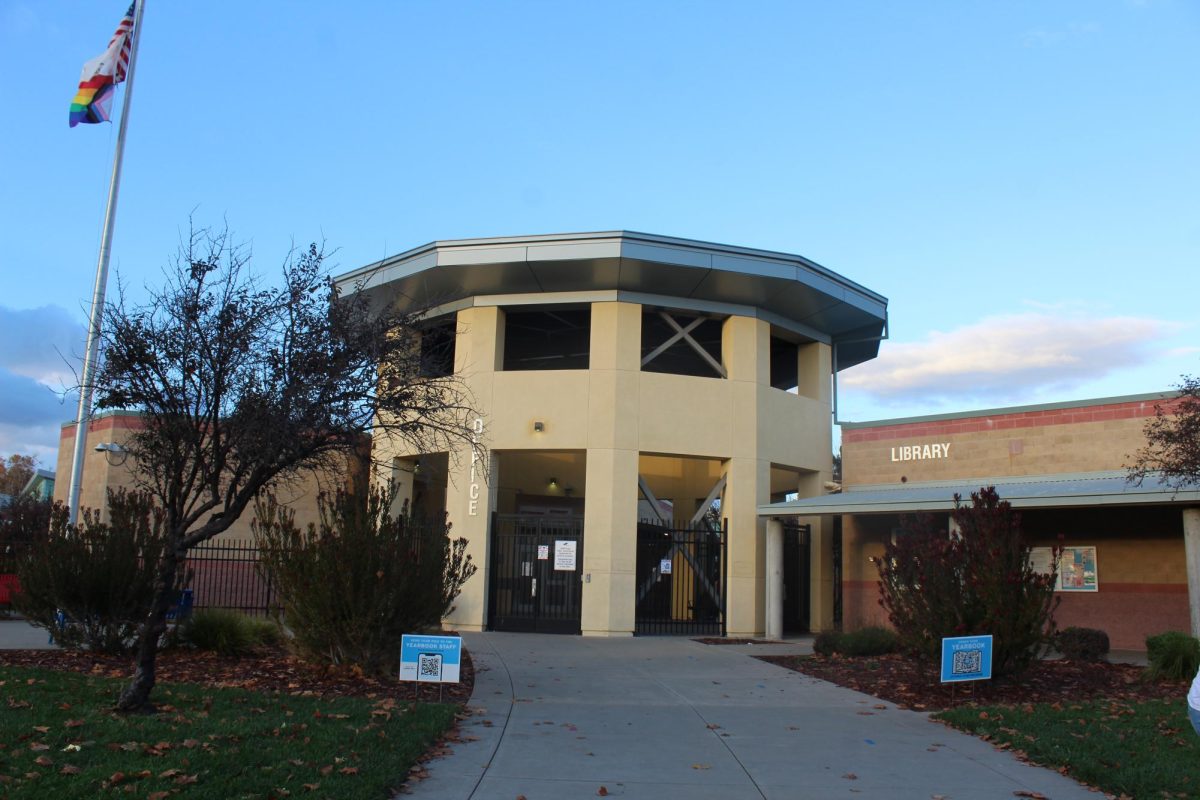
7th-grade student Piyush Prasanna at Fallon Middle School placed in the Top 300 Junior Innovators. When asked about this achievement, Piyush mentioned he was “very honored and very proud of this accomplishment.” His engineering project focused on “using hydrogels to replace plastic food packaging,” an idea to help the environment be a better place. He shared that he “started the project in December 2024 and has been improving the project till March 2025.” Piyush emphasized the impact of his engineering idea when he mentioned, “Plastic food packaging, as we all know, is very harmful to the environment, and if hydrogels can perform the same way as plastic, which I tried to do, it can be very useful and good in the food industry.”
Hydrogels are water-based materials that can be engineered to be biodegradable. Biodegradable refers to materials capable of being broken down into natural, non-toxic elements like water, carbon dioxide, and biomass, in a short time. Hydrogels help the environment by conserving water in agriculture, reducing irrigation needs, and preventing soil erosion. Plastic food packaging harms the environment by polluting soil, releasing microplastics and toxic additives into the environment, and harming marine life through entanglement and ingestion. This is a major global issue that Piyush handled with his engineering idea. Piyush’s project aims to replace conventional plastic food packaging with hydrogels, providing an environmentally friendly alternative. By investigating how hydrogels can safely store food, Piyush addressed a major global issue with his solution.
Being included among the Top 300 Junior Innovators is a significant accomplishment. Piyush’s achievement shows his dedication and creativity, as well as the impact young innovators can have when given the opportunity to share their ideas. His success brings pride to Fallon Middle School and encourages other students to explore their STEM interests.