
















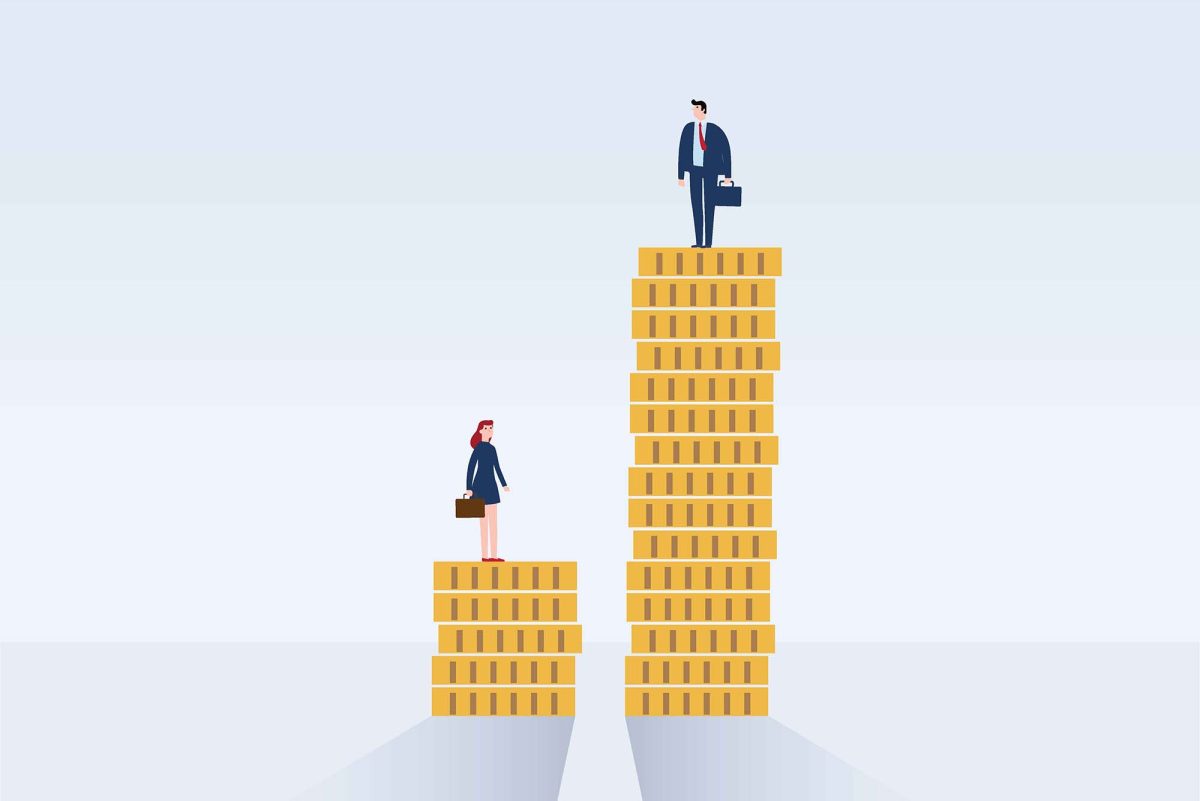
Women across the country have fought to ensure they are paid the same wage as men. Although their efforts were not in vain, it still affects many women in the workforce today. The gender pay gap is the difference in pay between men and women. A few major companies haven’t eliminated unequal pay, such as Apple and EasyJet. Why has this remained such a big issue?
When did this all begin?
The passage of the Equal Pay Act of 1963 had empowered women to speak up for themselves. It was signed into law by President John F. Kennedy on June 10, 1963. The EPA consists of a few conditions like no sex-based discrimination as stated in the act, ”No employer having employees subject to any provisions of this section shall discriminate, within any establishment in which such employees are employed, between employees based on sex by paying wages to employees in such establishment at a rate less than the rate at which he pays wages to employees of the opposite sex in such establishment for equal work on jobs the performance of which requires equal skill, effort, and responsibility.” The act also includes a section requiring it to act effectively to ensure equal treatment for working women.
Who led this movement?
Esther Peterson (on the right) and Lilly Ledbetter (on the left) were two of the many people who fought in this movement. Unions were formed and joined to support the movement, such as the National Consumers League. Lilly Ledbetter was an American activist, born on April 14, 1938. The first action she took was suing Goodyear Tire & Rubber Company. She claimed that her monthly pay was nearly $2,000 less than a man’s for the same supervisor job. Ledbetter did not win the lawsuit, but the jury recognized the gender discrimination and granted her $3.5 million. She once said, ”It’s not just about equal pay, it’s about equal opportunity. No one should be held back because of their gender”. Esther Peterson, born on December 9, 1906, was the Assistant Secretary of Labor under President John F. Kennedy. She was the highest-ranking woman in JFK’s administration. She was a very well-educated woman who earned a bachelor’s degree from Brigham Young University and a master’s degree from Columbia University Teacher’s College. She was a long-term activist for women’s rights. Peterson showed other women what they were capable of, as she was the highest-ranking woman in the president’s administration. The NCL is a non-profit organization dedicated to protecting workers’ rights. In the early 1900s, the NCL launched the “White Label” campaign. Their purpose was to fight against labor exploitation in the garment industry. The NCL inspected many factories, and those found to be fair to their workers were allowed to use the “White Label”. The campaign aimed to empower consumers and promote the idea that they could influence production through their purchasing choices.
What was done to prevent it?
Actions taken to address the pay gap included legislative measures such as the Equal Pay Act of 1963, increased transparency requirements, and a shift in social norms supporting working women. In Clause 1 of the Equal Pay Act states, “No employer having employees subject to any provisions of this section shall discriminate, within any establishment in which such employees are employed, between employees based on sex by paying wages to employees in such establishment at a rate less than the rate at which he pays wages to employees of the opposite sex in such establishment for equal work on jobs the performance of which requires equal skill”. Which means the employers are not allowed to discriminate against women who do the same jobs or have the same skill set as men just for their gender, which they cannot control. Esther Peterson heavily influenced the act by raising the minimum wage from 40 cents to 75 cents in 1963. When she heard about the gender pay gap, she used her connections and rank to help establish the Equal Pay Act. Pay transparency laws vary by state, but a few in California include pay data reporting and a ban on salary history. Pay data reporting is exactly what the name suggests. Employers with at least 100 employees are required to report their employees’ salaries and wages to the California Civil Rights Department annually. This prevents the gender pay gap, and the data is being analyzed. Next, the ban on salary history prevents employers from asking about employees’ current or past salaries.
Does the gender pay gap still exist?
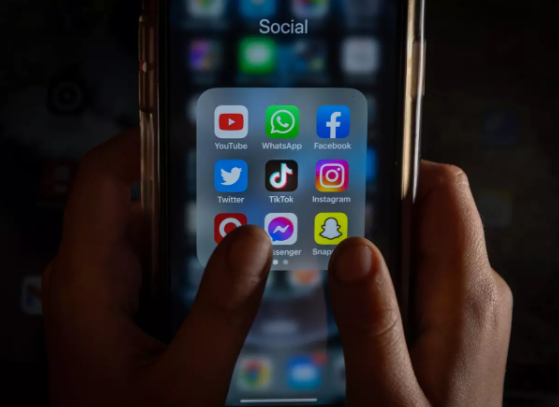
As mentioned previously, many major companies still discriminate against their employees by gender. A few of them include Google, Meta (Facebook), Apple, Amazon, Walmart, and McDonald’s. Back in June 2024, Apple was sued by two of its female employees, Justina Jong and Amina Salgado. The lawsuit claimed that the women were systematically getting paid less than men for the same job in engineering, marketing, and AppleCare divisions. The case has not been closed yet and is still under investigation. New issues also arose in Apple’s workforce, where women were being sexually harassed, and no action was being taken.
The next major company that had a gender pay gap is Walmart. Betty Dukes, a female cashier, filed a class-action lawsuit against Walmart for gender discrimination and unequal pay. The report was filed in 2001, when Betty noticed a pattern of men receiving better pay and opportunities for promotion. The case was taken to the Supreme Court on March 29, 2011. The Supreme Court ruled in Walmart’s favor. Betty returned to work as a cashier and sadly passed away six years later on July 10, 2017.
For years, many women have fought hard to get the women of this generation and previous generations the rights they deserve, and multiple organizations disregarded the act. As Esther Peterson once said, “There’s no end of things that can be done!” This sentiment serves as a timeless motto for women everywhere: the path to equality is paved by those who refuse to stop walking it.