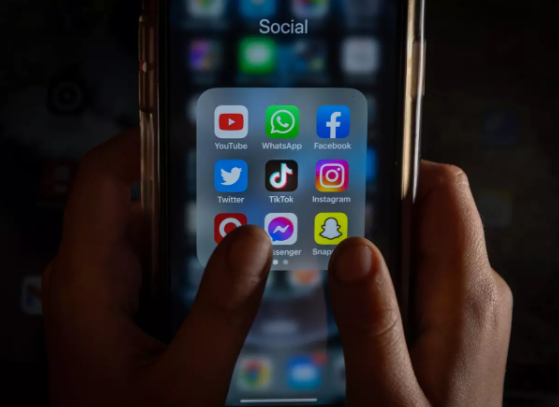



















The use of social media among tweens and teens is rapidly rising due to advances in technology and Artificial Intelligence (AI), leaving kids glued to their screens. The number of teens using these social media websites was consistently well below the average in 2026. According to the American Psychological Association, it states, “Studies around 2015-2019 indicated that while daily access was high (63% in 2019), the average time directly on social platforms was roughly 1–2 hours.” On the other hand, the same website claimed, “Up to 95% of teens (ages 13–17) use social media every day, with roughly 60% to over 75% using it daily for more than three hours.” These numbers show how the social media problem has increased among teen users over the last decade. While companies like YouTube, Instagram, and Snapchat are seeing higher profits, viewers under age 16 are misusing social media by watching continuously, leading to addiction.
Recently, some US states have been establishing age limits for social media websites. In California, an idea called the Protecting Our Kids from Social Media Addiction Act was first discussed in September of 2022, when Governor Gavin Newsom introduced an Age-Appropriate Design Code Act to ensure minors’ safety. This act’s design faced court challenges and was not approved by the court until two years later. Newsom then signed the bill, SB 976 (Protecting Our Kids from Social Media Addiction Act), which prohibits particular platforms that feed addictive needs and recommends age-appropriate videos for allowed platforms. Also, during that time, content modernization happened, blocking some videos/shorts for users under a certain age.
In October 2025, a new law required that social media platforms include mental health risk warnings for teens under 16. Just a month later, on November 5th, 2025, the governor met with the court, and the judges complied fully with Newsom’s request. In 2026, social media platforms began allowing only kids aged 16 and older to create accounts, and by 2027, the government aims to ensure that kids have no more than three hours of screen time. The government is planning to do this by implementing age verification for browsers; for instance, Google and Apple will begin using the black box warning system. This system is the strictest warning system issued by the FDA (The Food and Drug Administration). The warning to minors will be in the form of a pop-up warning label, similar to those on tobacco or alcohol products. It reads, “The Surgeon General has warned that while social media may have benefits for some young users, social media is associated with significant mental health harms and has not been proven safe for young users.” The warning will be displayed on screen for 10 seconds and cover 25% of the screen when a minor has used any social media website for exactly 3 hours, but if the user ignores it, after 30 seconds, the warning will cover 75% of the screen and will not cancel, leaving the minor with no choice but to bypass. Therefore, if broken, the social media website that fails to display the warning has to face the violation of this law, which would result in civil penalties of a $2500 fine per child for negligent violation and $7500 fine per child for intentional violation, making compliance an absolute necessity. But why are these laws coming now, when social media has been in use for more than a decade?
Technology is considered a staple in our society because of its reliability. Social Media was first introduced in the early and mid 2000’s, primarily for entertainment, authenticity, and connectivity purposes. After COVID, social media use increased as a study from the Pew Research Center states, “During post COVID-19, up to 95% of teens frequently use social media, with one third reporting almost constant use, which is now contributing to a 25% increase in adolescent anxiety and depression.” Social media addiction became a big concern during and after the COVID-19 pandemic, due to teens feeling isolated and looking for a way to stay connected to their peers. This ultimately led to a rapid decline in mental health. Some students experienced poor grades, dropping out of college, extreme fatigue, stress (which 70% of teens ages 13-17 have), FOMO (Fear of Missing out), or even more severe cases of chronic pain, diabetes, or heart disease. The number of these problems has increased drastically during COVID and post-COVID, which explains why this issue has come to the forefront.
Before COVID, people used social media, and some problems existed. However, people were spending more time outside and leading healthier lifestyles. Based on a study from the research gate, it stated, “The average distance traveled to participate in outdoor recreation fell from 3.50 miles before the pandemic to 1.94 miles after.”.However, in the stages post-COVID still leading up to now, fewer youth are spending significant time outside or taking proper care of their health, which may be linked to social media. The time people spent on social media was comparatively less than the amount of time they spend now, according to a survey on Common Sense Media, which stated, “From 2015-2019, entertainment screen use, excluding media and tech use for school or homework, grew only 3% for tweens, and 11% for teens. But from 2019–2021 alone, after the start of the pandemic, screen use grew by 17% for both age groups. In the past two years, average daily screen use jumped to 5:33 from 4:44 among tweens, and up to 8:39 from 7:22 among teens.”
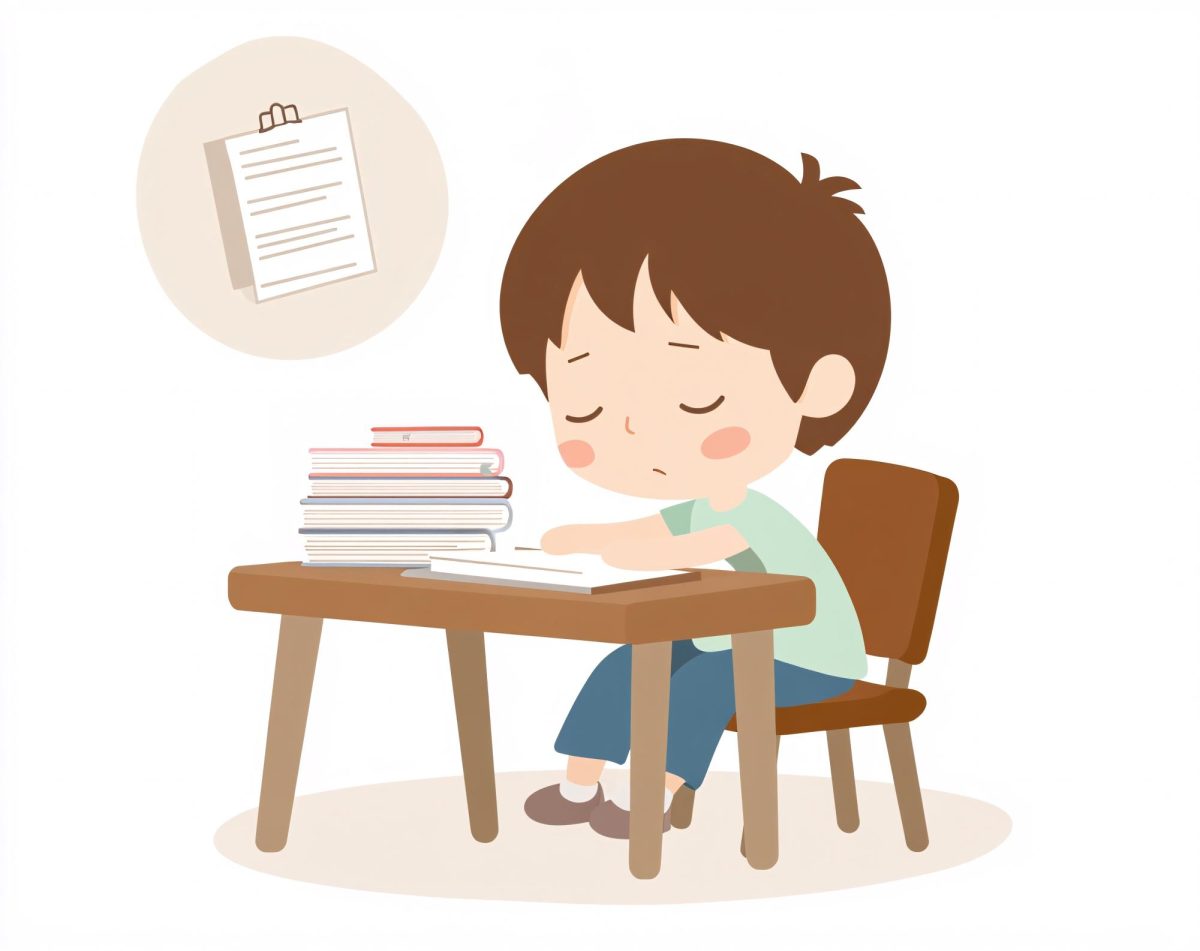
Screen time among young kids, tweens, and teens has been increasing, affecting not only their health but also their academic performance. The John Hopkins website suggests that, “The advisory of Social Media indicates that frequent social media use could be associated with changes in parts of the brain related to emotions and learning. Additionally, it can affect impulse control, social behavior, emotional regulation, and sensitivity to social punishments and rewards.” What you do online matters. If you are productive online, you can gain information to help you learn, but if you waste time, your mental health stress levels will be negatively affected.
As the Social Media laws emerge into California’s society, it is important to start spreading awareness. With these laws and acts, the California government is hoping that Gen Z’s and Gen Alphas will start noticing these acts, so that they can protect themselves from the Social Media addiction.