




















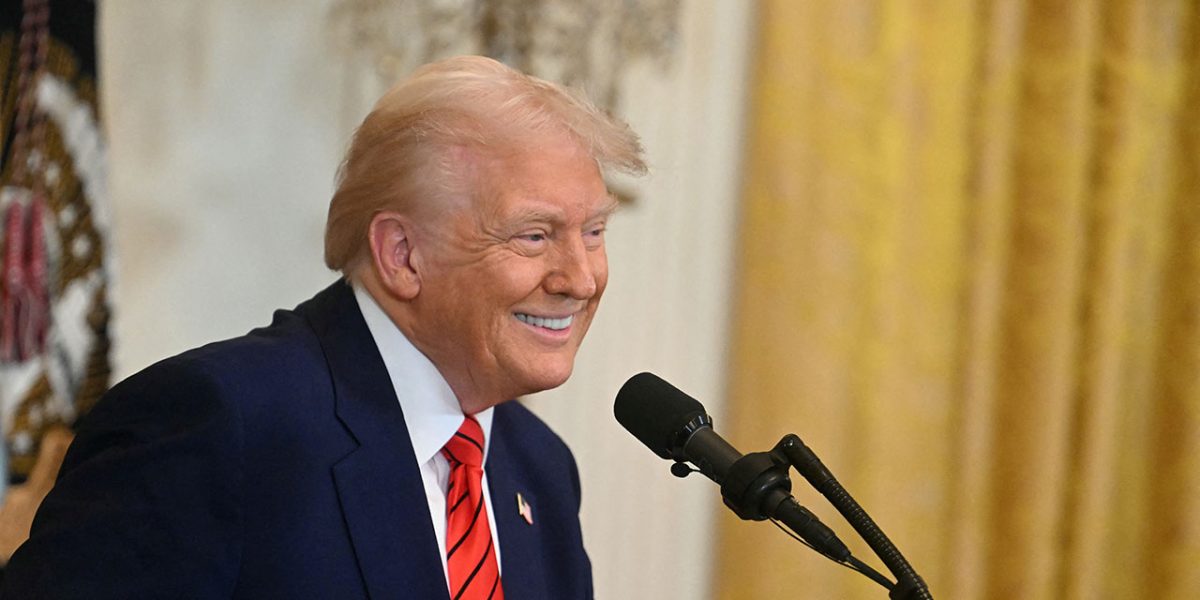
In September, 2025, President Donald Trump sparked controversy after claiming that using Tylenol during pregnancy could increase the risk of autism in children. He made the statement during a White House press conference alongside Health and Human Services Secretary Robert F. Kennedy Jr., telling pregnant women to avoid the medicine unless it was “absolutely necessary”. This comment quickly spread online and spurred much discussion nationwide. While some people supported Trump, many doctors and scientists strongly disagreed.
Trump’s comment came just as the Food and Drug Administration announced its findings on whether or not taking Tylenol during pregnancy can be linked to autism or ADHD. The FDA explained that while some research suggests a connection, there is no solid evidence that Tylenol can actually cause these conditions. Some studies have reported a statistical association between acetaminophen use during pregnancy and higher risks of neurodevelopmental disorders. However, these studies show an association, but there is no clear proof that Tylenol leads to autism. Tylenol is the main name-brand over-the-counter product containing the drug acetaminophen.
“The president’s words had an immediate impact on how much Tylenol or acetaminophen was being ordered in emergency departments,” says Dr. Jeremy Faust, an emergency physician at Brigham and Women’s Hospital in Boston. “This is thousands of women not getting pain control or not getting fever reduction when they need it, when they want it, when they would benefit from it,” Faust says. Even after doctors and scientists responded to Trump’s claim by addressing that there was no data that supported the claim, emergency room orders for acetaminophen for pregnant patients went down by 10%.
Trump also mentioned there being “no downside” to avoiding Tylenol use during pregnancy. However, numerous health organizations say otherwise. The non-profit company MotherToBaby states, “Without it, women face dangerous choices: suffer through conditions like fever that are potentially harmful to both mom and baby or use riskier alternatives.”
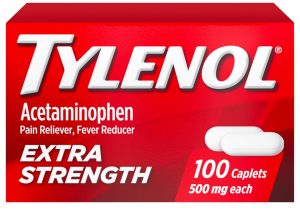
Pregnancy and maternal health groups, including the American College of Obstetricians and Gynecologists and the Society for Maternal-Fetal Medicine, strongly support the use of acetaminophen during pregnancy. They mentioned that acetaminophen is one of the few safe medications available to pregnant patients for treating fevers and managing pain.
According to Trump, Claims ‘No Downside’ to Avoiding Tylenol During Pregnancy. He’s Wrong, Christopher Zahn, ACOG’s chief on clinical practice, says, “Untreated fever, particularly in the first trimester, increases the risk of miscarriage, congenital disabilities, and premature birth, and untreated pain can lead to maternal depression, anxiety, and high blood pressure.” Research on the risks of fevers during pregnancy goes back to 2014. Maternal fevers can negatively affect fetal health by increasing the risks of neural tube defects, congenital heart defects, and oral clefts.
Overall, the controversy about the correlation between Tylenol and autism, sparked by President Donald Trump’s comments, shows how fast medical topics can become sensationalized. While research into a possible correlation is still ongoing, there is no clear evidence proving that acetaminophen causes autism. However, even with the ongoing research, doctors and researchers have clearly stated that acetaminophen is a safe pain medication during pregnancy. There are many other pain medications available that carry known risks, making Tylenol one of the safer options for pregnant women.